

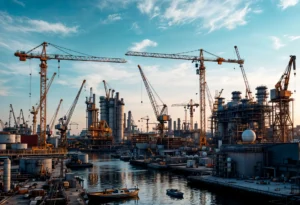
Sustainable Construction Practices Gaining Traction in South Asia
Why Sustainability is No Longer Optional
You’ve probably noticed: rising energy bills, intense heat during dry seasons, and more unpredictable weather. For construction projects across South Asia—from Sri Lanka to India to Vietnam—these aren’t just inconvenient trends; they’re signals. Clients, regulators, and end-users are demanding more environmentally responsible buildings.
Sustainable construction isn’t just about doing good; it’s about building smart. It can mean lower operational costs, better occupant comfort, stronger regulatory compliance, and ultimately higher property value. In this article, we explore the sustainable practices gaining ground in South Asia, backed by data, local relevance, and practical insights you can use in your next project.
Quick Snapshot: What “Sustainability” Means in Construction
| Dimension | What It Covers | Why It Matters in South Asia |
|---|---|---|
| Energy Efficiency | Insulation, passive design, efficient HVAC, LED lighting | Hot climates & rising power costs |
| Green Materials & Waste Use | Recycled materials, low-carbon concrete, reuse, less on-site waste | Price and availability of materials fluctuate; minimizing waste is cost-effective |
| Certifications & Ratings | LEED, LOTUS, Green Mark, GREENSL®, other regionally adapted schemes | Growing regulatory/market pressure; certifications increase trust |
| Climate Resilience | Flood-proofing, using local soils/techniques, orientation for natural cooling | Monsoons, high humidity, rapid urbanisation |
Key Sustainable Practices Gaining Traction
Here are some of the most effective practices being adopted, with examples and implications for projects in Sri Lanka and nearby areas.
Practice A : Certified Green Buildings & Labelling
- What it entails: Getting buildings rated by recognised schemes like LEED, IGBC, GREENSL® (Sri Lanka), LOTUS (Vietnam), etc. These examine everything from energy use, water efficiency, indoor air quality, materials, and more.
- Regional trend: India ranked #3 globally for LEED-certified space in 2023. In Sri Lanka, the Green Building Council’s GREENSL rating system is being used for buildings and materials.
- Impact: Certified buildings often reduce energy use by 30-50% and water usage by similar margins. The certifications help with regulatory approvals, tenant attraction, and sometimes lower financing costs.
Advantis Insight: For new industrial or commercial buildings, aim to design with certification in mind from the start—this avoids expensive retrofits later.
Practice B : Energy-Efficient Design & Systems
- Elements involved:
- Passive design: building orientation, shading, natural ventilation
- Efficient HVAC systems, LED lighting
- Solar panels or renewable power sources where feasible
- Case data: In Southeast Asia, the push for energy-efficient buildings is strong. Buildings contribute roughly 40% of total energy consumption in the region, and regulations are being updated to reduce this significantly.
- Sri Lankan relevance: With frequent power challenges and high electricity rates, energy efficiency isn’t just green—it’s cost-saving.
Practice C : Low Carbon / Alternative Materials
- What’s trending: Using fly ash, GGBS (ground granulated blast furnace slag), geopolymer concrete, recycled steel or timber, locally sourced materials, less concrete or less cement-intensive mixes.
- Recent example: Research from India (IIT-Indore) has developed geopolymer concrete with industrial waste (fly ash, slag) that may reduce CO₂ emissions by up to 80%.
- Benefits: Reduced carbon footprint, often reduced material costs, and less environmental damage.
Practice D : Waste Management & Water Sustainability
- Practices include:
- On-site recycling of construction debris
- Rainwater harvesting
- Greywater reuse
- Proper drainage and landscaping to prevent flooding
- Sri Lankan case: Through GREENSL and other councils, many materials are being green-labelled, encouraging product standards that include waste/recycling sustainability.
Practice E : Resilience & Climate-Adaptive Design
- Key features:
- Designing for storms, monsoon rains, higher humidity
- Elevated structures or flood-proofing
- Shading devices, reflective roofs, orientation for wind flow
- Why it matters: With more frequent extreme weather events in South Asia, built environments need to cope rather than suffer damage.
Benefits of Sustainable Construction (What You Gain)
For clients and projects, sustainable construction doesn’t just mean “feeling good”. The benefits are tangible.
| Benefit | What It Means in Practice |
|---|---|
| Lower operational costs | Less energy, water, maintenance → savings over operating lifetime |
| Faster regulatory approval | Certifications and code compliance streamline approval in many countries |
| Better market value | Buildings with green credentials often rent or sell for more |
| Improved occupant wellbeing | Better air quality, natural light, thermal comfort = happier users |
| Reduced environmental impact | Less carbon emissions, less waste, healthier environment |
Challenges & What to Watch Out For
While the momentum is strong, there are obstacles when applying sustainable practices in South Asia (including Sri Lanka).
Higher Upfront Costs
Some materials, systems, and certifications cost more initially.
Supply Chain Limitations
Green or low-carbon materials may be harder to source locally.
Skill Gaps
Contractors, engineers may lack experience in newer sustainable methods.
Regulatory Consistency
Codes may vary widely, or enforcement may be weak in some regions.
Pro Tip: Factor sustainability early in your project budget, and plan for long-term savings—not just immediate costs.
How Advantis is Embracing Sustainability
Here’s how Advantis Engineering is applying sustainable construction practices:
- Using locally-sourced green-labeled materials (approved under Sri Lanka’s GREENSL® system) in our projects. [Internal link: Green Product Certification / Service Page]
- Designing buildings with passive cooling, LED lighting, and solar ready infrastructure.
- Implementing onsite water management and good drainage in industrial and warehouse projects.
- Aligning designs with international and regional green building certifiers.
- Educating clients on lifecycle cost analysis and sustainability ROI.
Decision Guide: Is Sustainability Right for Your Project?
Here’s a decision matrix to help clients decide how far to go with sustainable features based on their project type.
| Project Type | Must-Have Sustainable Features | Optional / Nice-to-Have |
|---|---|---|
| Warehouse or Logistics Park | Energy efficiency, water harvesting, local materials | Solar panels, LEED or similar rating, premium façade finishes |
| Office Complex / Commercial Space | Indoor air quality, natural lighting, HVAC efficiency | Green roofs, intelligent building systems |
| Residential / Mixed-Use Developments | Passive design, solar, sustainable water systems | Smart home tech, high-end green certifications |
| Industrial/Food/Cold Storage | Insulated envelopes, thermal control, efficient systems | Net-zero readiness, renewable energy generation |
Building a Greener Tomorrow in South Asia
Sustainable construction isn’t a trend—it’s a necessity. In South Asia, where climate, energy costs, and regulatory pressures converge, building sustainably isn’t just environmentally responsible—it’s smart business.
For project owners, seeking partners who understand these practices and integrate them seamlessly is key. That’s where Advantis Engineering aims to lead: from design to build, from selecting materials to ensuring efficiency, we help clients build not only for today’s needs but for tomorrow’s promise.

Ready to make your next building sustainable?
Let’s talk about how Advantis can help you incorporate green practices without sacrificing cost or timeline.