

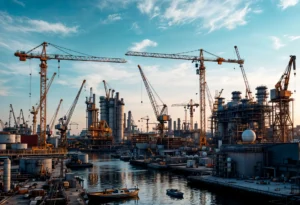
Steel Structures vs Concrete: Which is Right for Your Project?
A Crucial Decision in Construction
When it comes to construction in Sri Lanka — whether it’s an industrial plant, a warehouse, or a commercial office — one of the first big decisions is:
Should you build with steel or concrete?
This choice isn’t just about materials. It affects your budget, timeline, sustainability, maintenance, and even the long-term performance of your building.
At Advantis Engineering, we often help clients navigate this decision. Let’s break it down so you can see the strengths and trade-offs of each option and decide what works best for your project.
Steel Structures: Strength in Flexibility
Steel has become the backbone of modern industrial construction across the globe, including Sri Lanka.
Key Advantages of Steel Structures
- Pre-engineered steel buildings (PEBs) can be fabricated off-site and assembled quickly.
- Example: A logistics warehouse can be completed in half the time compared to traditional concrete.
- Ideal for large open spaces (like factories or hangars) where fewer internal columns are needed.
- Adaptable to future expansion.
- Reduces foundation load and overall costs in certain soil conditions.
- Steel is recyclable and reduces material wastage.
- Pro Tip: Recycled steel can cut carbon footprints by up to 50%.
Challenges of Steel
- Requires proper anti-corrosion treatment, especially in coastal Sri Lanka.
- Initial cost may be higher than basic concrete, depending on market prices.
Concrete Structures: Tried and Tested Durability
Concrete remains a traditional and trusted choice in Sri Lanka’s construction sector.
Key Advantages of Concrete Structures
- Strong resistance against fire and weather.
- Low maintenance when built well.
- Retains heat and maintains stable indoor temperatures — ideal for offices or residential projects.
- Cement and aggregates are widely available in Sri Lanka, keeping procurement easy.
- Contractors and suppliers are very familiar with concrete, making estimates easier.
Challenges of Concrete
- Slower construction timelines due to curing processes.
- Heavier weight increases foundation requirements.
- Limited flexibility for future modifications.
Here’s a side-by-side look:
| Criteria | Steel Structure | Concrete Structure |
|---|---|---|
| Construction Speed | Very fast (pre-engineered, modular) | Slower (curing required) |
| Design Flexibility | High – fewer columns, easy to expand | Moderate – rigid structures |
| Durability | Long-lasting with proper coating | Naturally durable, fire resistant |
| Cost | Competitive, especially for large-scale projects | Predictable but can rise with material shortages |
| Sustainability | Recyclable, eco-friendly | High carbon footprint from cement production |
| Maintenance | Requires rust-proofing in humid zones | Minimal if done right |
Quick takeaway: Steel is about speed and flexibility; concrete is about tradition and stability.
Which Is Right for Your Project? (Use Cases)
Steel Is Better For:
- Quick build time to meet growing demand.
- Example: Advantis recently built a steel warehouse that doubled storage capacity within months.
- Factories, sports complexes, and aircraft hangars.
- Steel makes it easier to add sections without major disruption.
Concrete Is Better For:
- Better insulation and acoustic comfort.
- Strong vertical load-bearing capacity.
- Example: Hospitals or labs where fire resistance is critical.
Global and Local Trends to Consider
- Hybrid Models: Many modern projects now combine both materials (e.g., steel frames with concrete flooring).
- Green Construction: Clients increasingly demand sustainable solutions — steel scores higher due to recyclability.
- Smart Warehousing: In logistics and e-commerce sectors, steel-based modular designs are becoming the norm in Sri Lanka.
Here’s a simplified illustration of time vs cost between steel and concrete:
| Project Factor | Steel (PEB) | Concrete |
|---|---|---|
| Construction Time | 4–6 months (warehouse) | 8–12 months (same project) |
| Initial Cost | Moderate to high | Moderate |
| Lifecycle Savings | High (fewer delays, expansions possible) | Medium |
Advantis Perspective: Why Our Clients Trust Us
At Advantis, we don’t push one solution for all. Instead, we:
- Assess site conditions and business goals (soil type, climate, purpose of building).
- Run cost-benefit analyses for clients.
- Offer hybrid recommendations if a mix of steel and concrete delivers the best outcome.
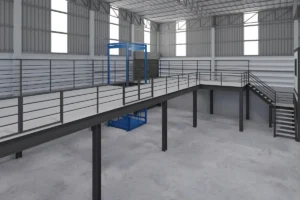
Example: For one logistics facility, we used a steel frame for speed and flexibility but added concrete mezzanine floors for load-bearing storage.
The Right Material for the Right Project
The steel vs. concrete debate doesn’t have a one-size-fits-all answer. The right choice depends on what you’re building, where you’re building, and your long-term goals.
- If speed, flexibility, and sustainability are your priorities, steel is your answer.
- If tradition, fire resistance, and residential comfort are critical, concrete remains a strong contender.
At Advantis Engineering, our role is to guide you through these choices — ensuring your project is built smarter, faster, and stronger.



Next Step
Learn more about our Steel Structures and Civil Construction Services or get in touch with our team to explore the best solution for your project.